
A pimple is the last thing that happens.
By the time you see a spot, the pore has been clogging for weeks. Understanding that timeline is the difference between chasing spots and preventing them.
It starts as a plug you cannot see
Every pore is lined with cells that should shed one at a time. In acne-prone skin they clump, stick to the pore wall and mix with sebum. That plug — a microcomedone — forms weeks before anything is visible on the surface.
- WEEKS
- The plug forms quietly; nothing shows on the skin yet
- THEN
- Open to air it darkens into a blackhead; sealed, a whitehead
- LAST
- Bacteria multiply in the sealed pore and the skin inflames — the spot you see


Oily skin refills the pore faster than it empties
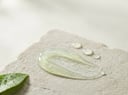
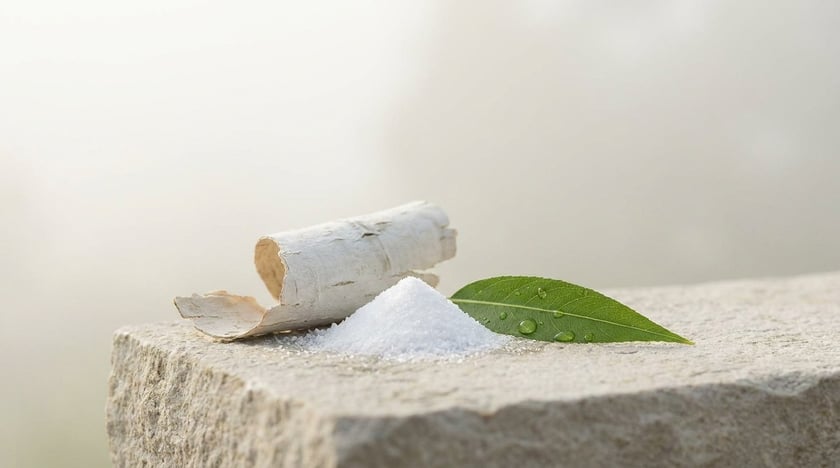
Sebum is protective — but when a pore makes more than it can shed, it sets like a cork. Humidity, sweat and hormones all push production up. Clear one spot and the pore beside it is already at week three of the same process.
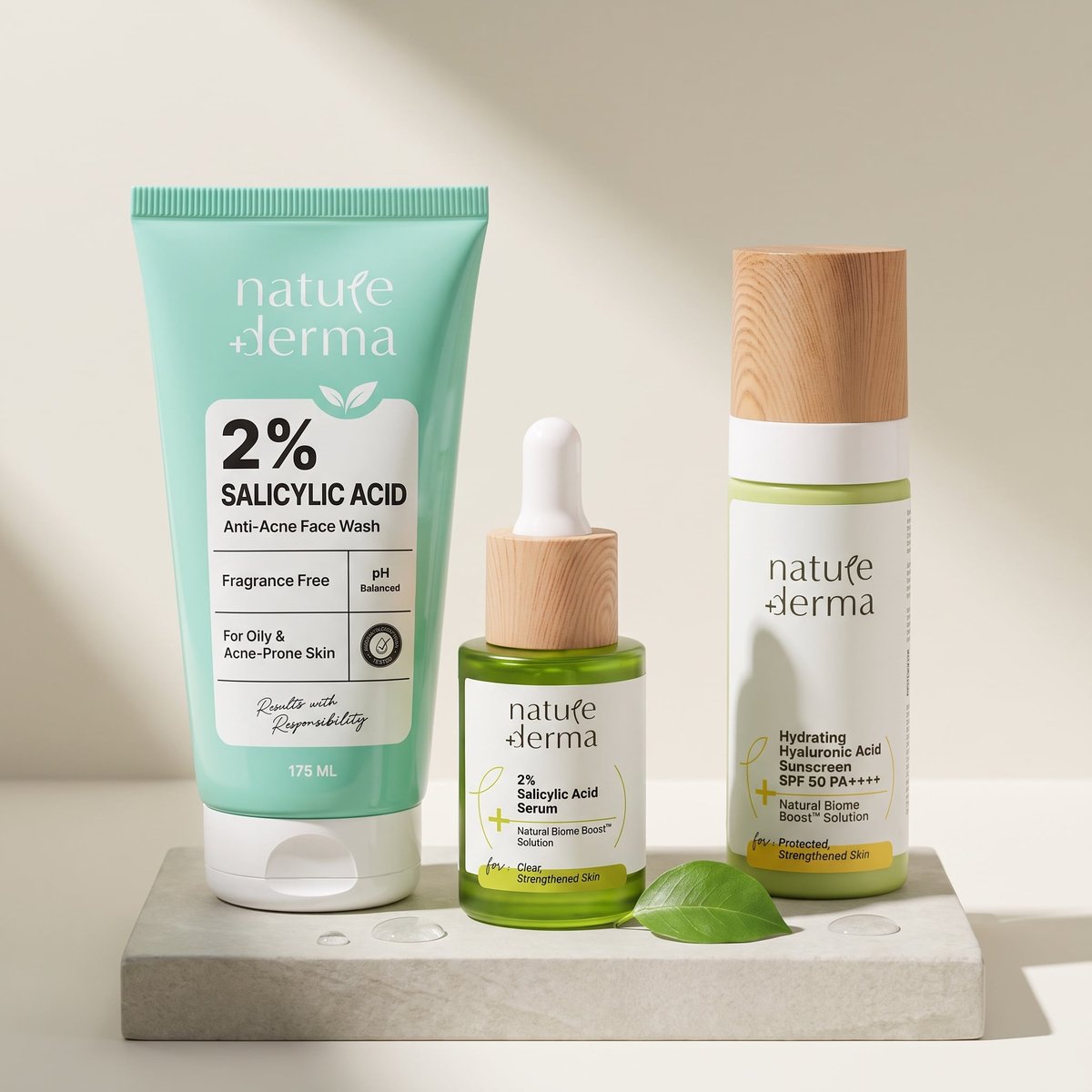
Three steps make a breakout and its mark. Each product takes one.
Sebum, sweat, sunscreen and the day's grime sit on the skin and drain into the pore.
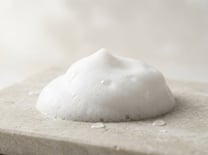
Dead cells clump on the pore wall and sebum binds them into a plug — the blackhead or whitehead that becomes a spot.
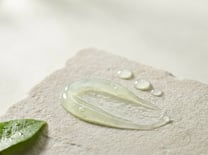
As a spot heals, the pigment cells beneath it are primed. UVA reaches them and they build excess melanin — the flat brown mark.

What actually happens, and when
Prevent the plug, protect the mark

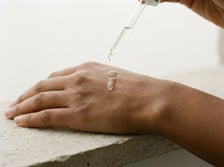

Before you start
All three jobs. One routine.
2% Salicylic Acid Face Wash (175 ml), 2% Salicylic Acid Serum (30 ml), Aqua Sunscreen SPF 50 PA++++ (50 ml). Priced below buying them apart.