
On Indian skin, the spot is half the problem.
The mark is the other half.
Melanin-rich skin defends itself well against UV — and that same response means a healed spot leaves a darker, longer-lasting mark. An acne routine here has to do two jobs, not one.
Heat and humidity keep pores busy
Warm, humid air raises sebum output and keeps sweat on the skin. Oil, sweat and city dust drain into pores all day, which is why breakouts on Indian skin are so often a T-zone and jaw story, year round.

- OIL
- Sebum output rises with heat; pores clog faster
- SWEAT
- Traps oil and dust in the pore, especially under masks and helmets
- DUST
- Particulate pollution oxidises surface oil and irritates



Why a healed spot turns into a dark mark
Inflammation leaves the pigment cells beneath a spot on high alert. On Fitzpatrick III–V skin they respond generously: exposed to UV, they build excess melanin and the flat brown mark can outlast the spot by months. This is post-inflammatory hyperpigmentation, and it is why sunscreen belongs in an acne routine, not just a summer one.
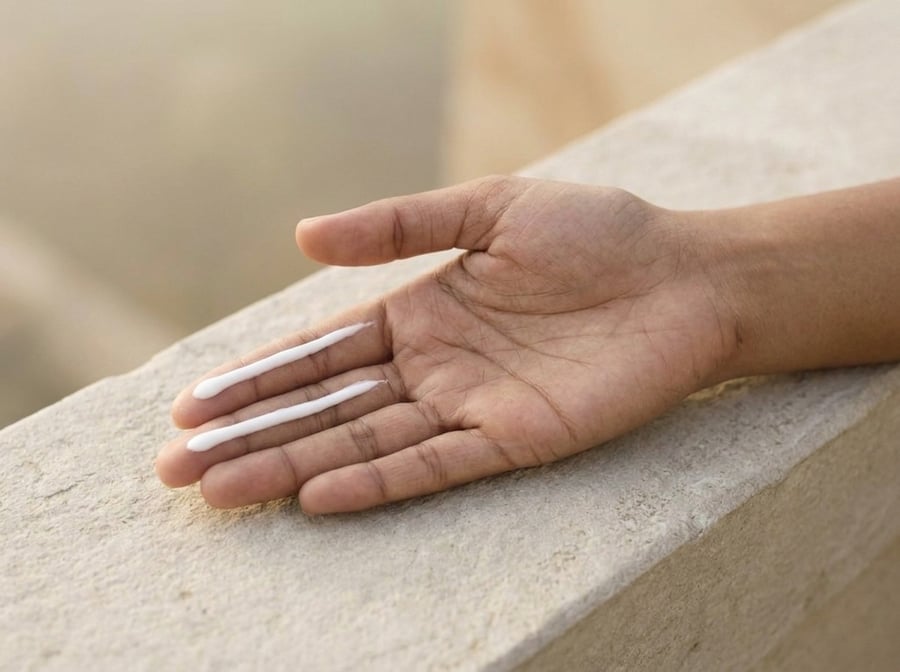
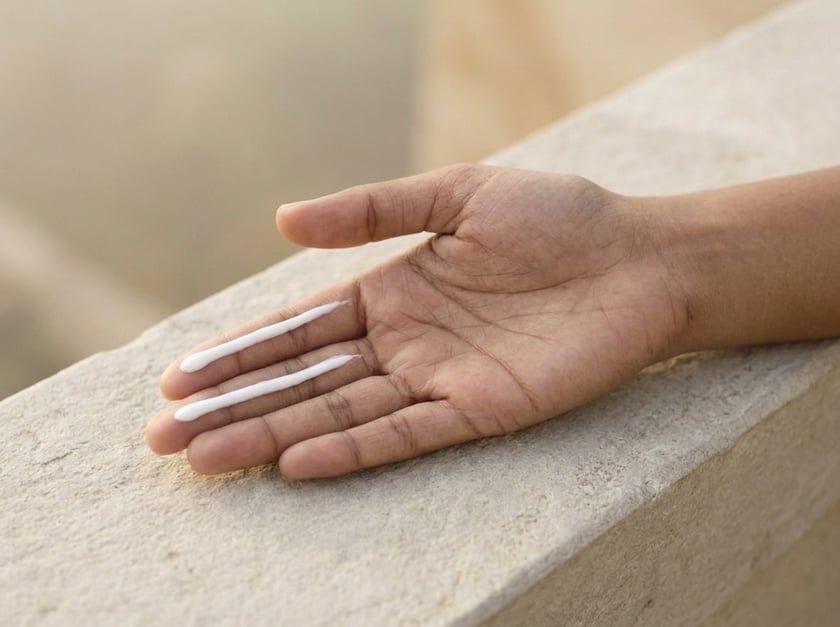
Three steps make a breakout and its mark. Each product takes one.
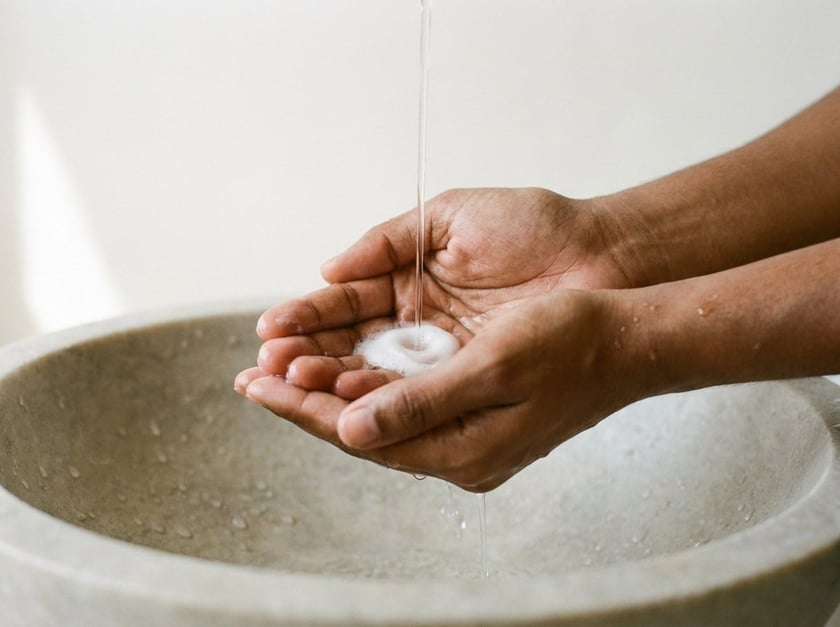
Sebum, sweat, sunscreen and the day's grime sit on the skin and drain into the pore.
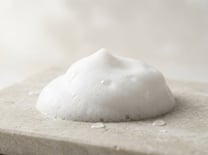
Dead cells clump on the pore wall and sebum binds them into a plug — the blackhead or whitehead that becomes a spot.

As a spot heals, the pigment cells beneath it are primed. UVA reaches them and they build excess melanin — the flat brown mark.

Two jobs, two minutes a day

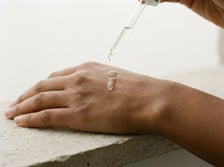

Before you start
All three jobs. One routine.
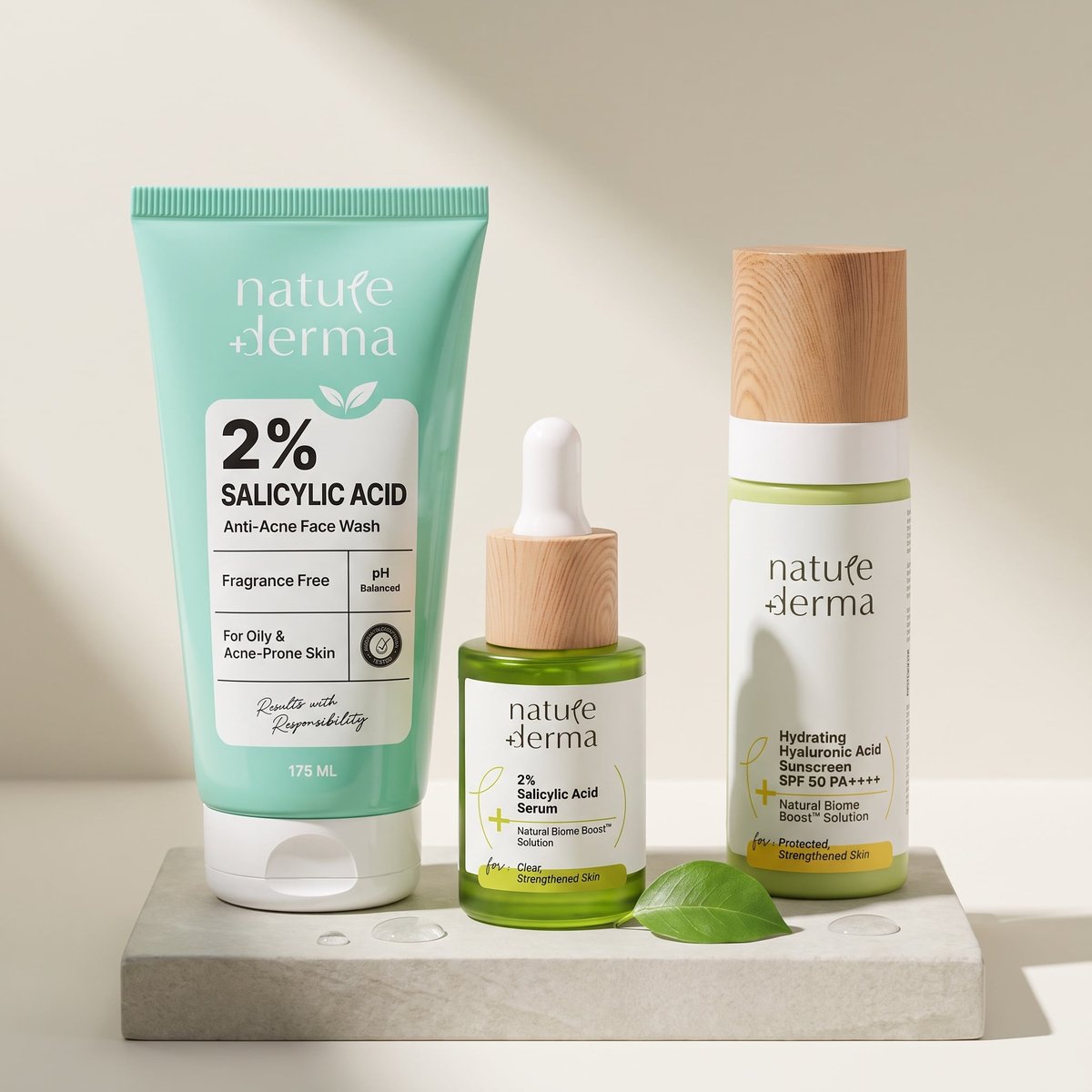
2% Salicylic Acid Face Wash (175 ml), 2% Salicylic Acid Serum (30 ml), Aqua Sunscreen SPF 50 PA++++ (50 ml). Priced below buying them apart.